
As we usher in the vibrant seasons of spring and summer in the Carolinas, you may want to harness the abundant sunlight that graces our homes. This article explores practical strategies to enhance, accentuate, or simply thrive in the radiance of natural light.
Maximizing natural light in your Carolina home and garden — whether its in Charlotte or Charleston or somewhere in between — offers several benefits. The advantages include:
- Saving money with improved energy efficiency
- Gaining health benefits such as reduced eye strain, better sleep, reduced levels of anxiety
- Stimulating productivity
- Helping your house plants (which also offer health benefits)
- Increasing your home value
So, now that you have several reasons to want to let the light stream in, you’ll want to know how to do so. These tips can help you get more natural light into your Carolina home and garden.
Optimize Window Placement
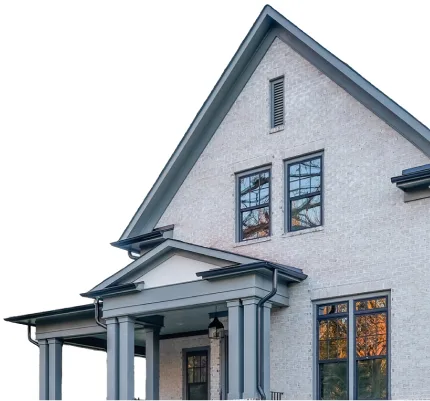
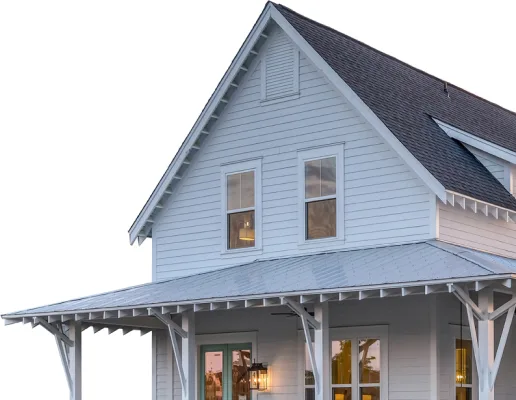
By strategically positioning windows in your home, you can capture the maximum amount of sunlight throughout the day. Placing larger windows on the south-facing side of the house can help you take advantage of the sun’s path. Big, beautiful windows that let in a lot of light are also going to be more appealing to future homebuyers too.
While you’re thinking about windows, don’t underestimate the importance of keeping your windows clean. Dirt, dust, and grime obstruct sunlight (while also muddying your view of the world outside).
Use Skylights
Installing skylights in areas with limited access to light can help reduce the need for artificial lighting. Flooding your hallways, bathrooms, or central areas of the home with sunlight will brighten your day and could boost your well-being too.
Paint with Light Colors
Looking at the trending colors for 2024, you’d want to go with the lighter colors for your walls, ceilings, and floors. Sherwin William’s light, breezy blue, for example can help make your rooms feel brighter and more open while helping to bounce natural light around the space.
Rethink your Window Coverings
Instead of using heavy drapes or dark-colored window treatments, think about using sheer or lightweight curtains for shades. These more minimal window coverings will allow natural light to filter in while still providing you with privacy and controlling glare.
Go Reflective
No, we don’t mean that you need personally need to reflect (though that too can help your mental health). Instead, we’re talking about using glass tabletops or adding mirrors to amplify the natural light effect and bounce that sunshine deeper into your spaces.
Open Your Floor Plan
This isn’t one that you want to simply implement over a weekend unless you are a seasoned Do-it-Yourself-er and know what you’re doing. Still, if you are in house hunting mode, and you love natural light in your home, look for a more open floor plan. Fewer interior walls means less obstruction to the natural light coming into your home.
Replace Solid Exterior Doors
You might change out solid wood or steel doors with ornamental glass doors or doors with glass panelling. This can help more light penetrate your home. You might also consider adding French doors, sliding glass doors, or bi-fold doors to help create a seamless transition between indoor and outdoor spaces.
Let There Be Light Outdoors Too
You can design your outdoor living spaces to be bright, sunny spaces too. You might add pergolas or awnings to provide shade without completely blocking out sunlight so that you’re comfortable outside but still able to enjoy the natural light.
You could also set up an outdoor dining areas to enjoy meals al fresco bathed in natural light. If you do, choose light-colored tablecloths, dishes, and furniture to create a bright, inviting atmosphere.
Be Strategic with Landscaping
Plan your trees and bushes so that they don’t block light from coming in the windows. Make pruning your landscape elements back to bring in more light part of your spring maintenance. You can also consider planting deciduous trees or vines that provide shade during the hot summer months while allowing sunlight to filter through during the spring and early summer. Examples include species like crepe myrtles or flowering vines like wisteria. Learn about good plants for a Carolinas summer.
Get that Shimmering Effect
What mirrors and glass do inside (and can do outside too, really), you can also accomplish by adding reflective pools or other water features. If you have space, add a water feature to enhance your outdoor area with a shimmering natural light effect and a soothing ambiance.
Add Solar-Powered Lighting
Ok, it’s not going to add natural light, but incorporating solar-powered outdoor lighting fixtures outside lets you enjoy brighter pathways and outdoor living spaces after dark. Plus, you’re being energy efficient by harnessing the power of natural light during the day.
Bright ideas for sunshine lovers
By implementing some or all of these ideas, you can create a Carolina home that is bright, airy, and filled with natural light. Some of these strategies can also help enhance the beauty and livability of your outdoor living spaces.
Another place you can enjoy sunshine in the Carolinas? By the ocean in our Myrtle Beach community of SayeBrook.
When you buy a home, whether it’s for the first time or not, you’ll typically need a down payment. The down payment for your home helps demonstrate your commitment to your choice and can impact your lending options. Still, there are several things you should know to do or avoid doing when it comes to making a down payment on a house.
Why do lenders want down payments? Because it reduces their risk. The money you put down reduces the amount of money you need to borrow. When, you put down your own money on the property, you’re invested in the home. This can make you less likely to default.
The down payment can benefit you too. By putting money down upfront, you immediately build equity in that home. Since your equity is the portion of the home’s value that you own outright, a larger down payment gives you more equity. This can improve your flexibility and financial stability.
Down payment do’s
First, let’s go over some of the main things you can do to help your mortgage search experience.
#1 Save for your down payment.
A down payment helps demonstrate you’re financially prepared for homeownership.
Your down payment also lowers your loan-to-value (LTV) ratio, which can get you better loan terms and lower interest rates. If you pay down less than 20 percent of the value of the home, you may need to pay private mortgage insurance (PMI). This type of insurance protects the lender in case you default on the mortgage loan and the proceeds from the property’s foreclosure sale of the property doesn’t cover the outstanding balance of the mortgage.
#2 Know your budget
The more you can put on your down payment, the lower your monthly mortgage payments. Additionally, the less you borrow from your lender, the lower your cumulative interest over the life of the loan.
Determine your budget by factoring in your income, expenses, and other financial goals. You need to consider how much you can comfortably afford as a down payment, plus what you can handle as an ongoing mortgage payment.
#3 Check your credit score
The better your credit score, the more likely you will qualify for mortgage pre-approval and better mortgage rates. So, it’s a good idea to first review your credit report and, if necessary, take steps to improve your score.
#4 Look for down payment assistance
You might be eligible for down payment assistance programs offered by government agencies, non-profit organizations, or employers. You might want to consider programs such as:
- FHA Loans, backed by the Federal Housing Administration, can lower the amount of down payment required compared to conventional loans.
- VA Home Loans, offered by the U.S. Department of Veterans Affairs (VA), typically require no down payment and are for eligible veterans, active-duty service members, and certain surviving spouses.
- USDA Rural Development Loans from the U.S. Department of Agriculture (USDA) provide eligible borrowers purchasing homes in designated rural areas with loans that require no down payment.
- Housing Finance Agencies (HFAs) in your state may offer grants or low-interest loans targeting first-time homebuyers, low-income individuals, or specific geographic areas.
- Local cities or counties may offer down payment assistance programs to encourage homeownership and community development.
- Your employer could offer down payment assistance or homeownership benefits as part of your benefits package.
- Nonprofit organizations such as Habitat for Humanity, NeighborWorks America, and local housing nonprofits often provide down payment assistance programs and other homeownership resources to low- and moderate-income individuals and families.
#5 Get pre-approved for mortgage
Even before you go searching for homes, it helps to get pre-approved for a mortgage. This lets you understand how much you can borrow and your down payment requirements, which can shape your home buying budget. Keep in mind, though, this is not a binding agreement. When you actually apply for the loan, the lender may change terms and rates.
Down payment don’ts
This section breaks downs some of the things homeowners want to avoid when it comes to making their down payment.
#1 Break the bank
Although a bigger down payment has many benefits, you don’t want to use all your savings for a down payment. You will need to hold money back to be able to pay your closing costs (which can include service fees, appraisal costs, and more). Plus, you don’t want to leave yourself without any emergency savings. Keep some savings to have funds available to cover unexpected expenses.
#2 Consider monthly costs
Increasing your down payment can lower your monthly mortgage payment. Yet, you don’t want to make such a high down payment that you reduce your liquid assets such that property taxes, homeowner’s insurance, maintenance, or repairs will be a big financial strain.
#3 Limit your options
You don’t have to commit to the first mortgage offer you get. Generally, you want to get three to five quotes for mortgage rates. When comparing loan offers, consider:
- Down payment requirements
- Loan terms (loan amount, interest rate, annual percentage rate)
- Closing costs
- Lending fees
- Mortgage insurance
#4 Making major financial changes
Before you close your home, you want to avoid making significant changes to your finances. This could be quitting your job, taking on a new debt, or making another large purchase. Since lenders may reassess your financial situation before finalizing your loan, don’t risk major changes that could impact your approval.
Making a down payment is just part of your home purchase process. Our Things Homeowners Need to Know series can help you with other areas of homeownership too. Saussy Burbank would also love to help you find the home you want to make your own. Take a look at the high-quality properties we’re building in the Carolinas.
Mortgage lenders will need to do more to romance homebuyers, according to Valentine’s Day data released by the Mortgage Bankers Association. In its report of mortgage activity, applications dropped 2.3 percent for the week ending February 9. The association’s Refinance Index also fell 2 percent in the same period. Still, getting a mortgage remains the most likely option for real estate funding. Here’s what homeowners need to know about the vocabulary that will come up when you apply for and repay a mortgage loan.
Annual percentage rate
In shopping mortgage loans you’ll see both an interest rate and an annual percentage rate (APR). The APR is typically higher because it reflects not only the interest rate you’ll pay but also any points, mortgage broker fees, and other charges you’ll pay as part of your loan.
Amortization
Few of us can afford to pay a home off in full when we buy it. So, homeowners need to understand that they will be paying both principal and interest (P&I) off over time. Amortization spreads out the cost of your P&I over the specified term of your loan to determine the regular payment amounts over the life of the loan.
Closing costs
In addition to the purchase price you negotiate on the home, you’ll typically encounter several other costs that are paid at closing. Closing costs generally include appraisal fees, title insurance, attorney fees, and other fees you pay the service providers who helped you in the home-buying process.
Down payment
The initial payment you make to purchase your home is your down payment. You’ll usually pay a percentage of the home price. If you don’t meet a certain threshold, your lender could also charge you private mortgage insurance (PMI), which they’ll include in your monthly payment. PMI is insurance lenders required for borrowers who pay less than 20% of the home’s purchase price when they buy.
Escrow
Your escrow account is maintained by a third party who holds your funds until certain conditions are met. You can encounter two types of escrow during your process:
- Homebuyers use escrow accounts to hold their earnest money and down payment until the purchase closes.
- Lenders often hold homeownership costs (e.g., property taxes and home insurance) in escrow accounts they manage for their borrowers.
Loan terms
When selecting a mortgage from various lenders, you’ll want to compare the terms. This includes the APR as well as the loan term, which refers to the length of time over which you’ll repay the loan. A 30-year mortgage is common, but you can find 15-year and 3-, 5-, 7-, and 10-year loans.
You’ll also need to weigh whether what type of loan you want. The main options include:
- Fixed-Rate mortgage: Your interest rate remains constant throughout the entire term of the loan.
- Adjustable-Rate mortgage (ARM): Your interest rate may change periodically based on changes in a specified index, typically after an initial fixed-rate period.
- Government-backed: You may be eligible for a Federal Housing Administration (FHA) loan, a loan backed by the U.S. Department of Agriculture, or one guaranteed by the U.S. Department of Veteran Affairs.
Monthly mortgage payment
This is the amount of money due to your lender each month to repay your principal, interest, taxes, and insurance (often abbreviated as PITI).
When making your monthly mortgage payment, pay attention to late fees and the grace period. The grace period is the period after the due date when you can still make a payment without incurring penalties. After that period expires the lender will charge a fee.
Points
Some lenders let you make tradeoffs between your upfront costs and monthly payments in the form of points. For example, if you paid one point equaling 1% on a $100,000 loan, you’d pay $1,000 upfront to receive a lower interest rate. The $1,000 is added to your closing costs, but you end up paying less over the life of the loan since you’ve cut down your overall interest.
Pre-approval
It helps to begin your home buying process with a mortgage pre-approval. This is a lender’s preliminary assessment of how much money you can expect to be loaned for your home purchase. It’s important to keep in mind, though, that this is not a binding offer.
Principal & interest
Your principal is the amount of money you borrowed in your mortgage loan. The interest is a percentage rate your lender will charge you on that principal loan amount. You may hear this referred to as your “P&I.”
Note: your monthly payment is often more than just your P&I. You may have your mortgage lender pay your homeowners insurance and property taxes. The mortgage company typically holds this money in escrow for you until the bills are due.
Boost your mortgage know-how
Knowing these key terms relating to mortgages can help your financial literacy. After all, this is one of the biggest financial commitments you’ll make in your lifetime. You can make more informed decisions, and better plan your budget, when you understand your full legal and contractual obligations.
Without understanding what homeowners need to know about mortgage terms you risk falling behind on payments, missing out on savings, incurring unnecessary fees, or being unaware of the consequences of certain loan terms. Being knowledge about this vocabulary can also help you negotiate and advocate for yourself more effectively.
Have questions about navigating the complexities of homeownership? One of our preferred partners at Highland Mortgage could help answer your questions. Our own agents also have a good understanding of mortgage terms and can explain various aspects of the home buying process along the way. Contact us today!
You’ve decided to downsize your living space. Maybe you’re retiring and moving into an age-restricted community. Or you’ve decided to sacrifice sprawling space for a more central location. Or you no longer want the hassle of keeping up a huge yard, so you want to make a change. Whatever your reason, if you’re going to be living in a townhouse, these tips for downsizing can help smooth your transition.
For apartment dwellers, moving into a townhome may be a chance to gain more space. Others, may see the transition to a townhouse as a welcome opportunity to declutter and start fresh. Either way, the new townhome resident can expect to enjoy several benefits:
- Central location
- Access to community amenities
- Low maintenance requirements
- Cost savings
- Security gains
- Sustainability benefits
Those sustainability benefits often come from being in a prime location and a more compact footprint. But, in moving to a smaller, more manageable space, you may need to downsize your belongings. These strategies can help you through the process.
#1 Evaluate your priorities
Making a plan before you even begin packing can help you to make smart choices as you downsize. Consider your priorities for your new space. Ask yourself what lifestyle you imagine for your new home. For example, if your kids have grown, you probably don’t need to bring all their belongings with you to your new home.
#2 Take stock
By reviewing what you have before you start packing, you may find things you didn’t even remember you had. If that’s the case, you may want to put those forgotten possessions on the top of your declutter list. You’ve lived without out them how long already? If you want to hold on to that item, at least you’ll have avoided buying it again for the new space.
Making a list of all your furniture, and its sizes, can help you be more objective in determining what should go. If you can’t picture where something you own will go in your new home, it may be time to leave that piece behind.
#3 Assess your furniture and appliances
Your new home may offer you a fresh start with new appliances. If not, you will want to measure what you have to determine if it will fit in your new home. You may prefer to sell your old appliances and use the profits to buy a more space-efficient appliance.
The same is true of your furniture. That bulky reclining chair you inherited from Dad may still be comfy, but you might want to consider donating it. Then, you can select multi-purpose, smaller furniture that better suits your new home.
#4 Purge
For some people this is a big relief. It feels so good to streamline. Others view the idea of purging with great unease. It can be useful to do this part in stages. You might set aside an area of your garage or a room of your house where you put the things you are thinking of purging. Then, see how well you survive without those items. If you don’t even miss those things over the next few weeks, that may help you feel better about letting them go.
Start small. You might go through your linen closets and evaluate the condition of your sheets and towels. Do the same in your clothing closets. If your lifestyle has changed, your size has changed, or you don’t wear something for any other reason, there’s no reason to take it with you. You can also probably clear out a few drawers of junk and bins full of obsolete tech and cords and cables you don’t use.
You can feel better about your purging if you try to sell items and make a profit. You might host a garage sale or use online marketplaces. Otherwise, you can usually find local community organizations that will happily accept your donations.
#5 Tackle one room at a time
Focusing your efforts on one area can help you reduce the risk of getting overwhelmed. You might try the three-box method where you decide on whether something goes in a “Keep” box, “Get Rid Of” box, or a “Storage” box.
Before you put something in that storage box, though, consider whether you can digitize it instead to really save on space. If it is something with sentimental value, you might want to take a picture instead and write a description of why it matters to you. You could also turn it into something useful in another way (like a quilt made of fabric from old kid clothes).
#6 Start early
If you leave your downsizing and decluttering to the last minute, you’ll likely take more with you than you need. When you’re feeling time pressure, you’re much less likely to be discriminating about what you really want in your new home.
Think about what you most look forward to about living in a townhouse. If it’s navigating cluttered rooms and feeling like you have more stuff than shelves or storage, ignore what we’ve written. Otherwise, taking a strategic approach to downsizing for you move can cut your stress levels and help you embrace a new lifestyle.
Saussy Burbank offers quality townhome living in several desirable neighborhoods in the Carolinas. Contact us to find out more today!
When you’re sweet on someone, you often want to show it with candy or chocolates. If you’re trying to find a tasty treat for this Valentine’s Day in the Queen City, we’ve here to help. This roundup of best desserts in Charlotte, gives you ideas of where to go if your sweetheart has a sweet tooth.
Typically dessert completes your meal. It might be a fruit, pudding, cake, pie, or ice cream but the expectation is that it’s a sweet final course. Those of us who really enjoy sweets can easily be convinced to start the meal—even the day—with a dessert.
Whether you decide to brave a Charlotte romantic restaurant for Valentine’s Day or simply want to have a taste of a delectable dessert this month, this selection of shops has to offer something to suit your taste buds.
A sweet here…
SWIRL Dessert Bar can help you communicate your passion with their customizable cupcakes and (new this year) cookie cakes. Try the South End or Oakhurst locations (or Door Dash) your cookies, cupcakes, cookie and ice cream sandwiches, or custom milkshakes.
Sunflour Baking Co is another top choice for desserts Charlotte having started its flagship location in Elizabeth in 2009. The cupcakes and scones are big enough to feed both you and your mate (but, why would you want to share?). You can also try vegan and gluten-free cakes and other baked goods from this family-owned shop.
It may not be heart-shaped, but the Salted Caramel Brownie at Amelie’s is sure to satisfy a sweet-toothed someone. The French Bakery Bakery and Cafe, which opened in NoDa neighborhood in 2008, has five Charlotte locations and one in Rock Hill, SC. Bring home a selection of this season’s macarons such as red velvet, smores, or strawberry cheesecake to add red, white, and pink to your table.
For a French-Asian experience try Tous les Jours, which has several locations in Charlotte. Our three outposts are only a few of the 20-year-old franchise’s over 75 stores nationwide. Menus vary, but along with French favorites such as Pain au Chocolat or Fruit Pastry you might try a Guava Danish or Kimchi Croquette. Don’t miss the bread case while you’re there. The Purple Sweet Potato Loaf is a fluffy delight.
Charlotte’s desserts capture the city’s diversity too. For example, try a taste of Greek desserts at Mocco Bistro. You’ve probably heard of Baklava, which of course they offer, but other treats include the Bougatsa, a phyllo cream pie, or a Koulourakia cookie.
A treat there…
Manolo’s Latin Bakery is a purpose-driven bakery with its chef, Manolo Betancour, working to support people in Ukraine by sharing “bread and hope.” Customize your own Tres Leches cake from his 11 fresh filling flavors.
You can visit Suarez Bakery at either Optimist Hall or Park Road Shopping Center. The Park Road location is the place to pick a scrumptious cake. Favorite options include Chocolate Mousse, Carrot, Strawberry Chiffon, or Coconut Cream. You can even get a Doughnut Cake or a Message Doughnut.
Speaking of doughnuts, Charlotte has plenty of original options there too. Check out:
- Duck Donuts for a cake-based treat made right in front of your eyes before you select the glazes and other toppings. We love the fan-favorite Maple Bacon.
- Reigning Doughnuts in NoDa where you can walk up to the window for a hot and fresh doughnut in a wide variety of flavors
- Pepperbox Doughnuts found in both NoDa and SouthEnd serves up a wide range of yeast-raised, made-from-scratch donuts topped with seasonal local ingredients
You might also try a sweet stop while exploring Camp North End. Enjoy a scratch-make baked good (some of them with a boozy hint) from Wentworth + Fenn where Pastry Chef Sam Allen prepares tarts, cakes, pastries and artisan breads.
Goodies everywhere in Charlotte.
If you want a frozen treat (despite the symbolism…maybe you give it saying how your loved one melted your cold heart?), Charlotte has many stellar ice cream and gelato shops. You can line up at a Jeni’s Splendid Ice Cream for a creative take on flavor profiles from James Beard-winning Jeni Britton. Or you might try:
- One of the three locations of Golden Cow Creamery which always has six standard flavors and eight rotating choices (including a vegan offering).
- One of Two Scoops Creamery’s five shops around Charlotte including its award-winning flagship outpost in Plaza Midwood
- Tutti Gelato’s South End shop offering artisan gelato made of real fruit and whole milk
In the South End area, you can also try a take on a Mexican ice pop. Paletas Morelia lets you choose from a range of ice cream or sorbet popsicles. Then, they’ll dip it in your toppings of choice for a full flavor explosion.
Is your mouth watering yet? Of course, we should also mention Crave Dessert Bar where you can combine cocktails with your selection from a sweets (the Skillet Cookie or Drunken Tiramisu are favorites). This lounge space in Uptown also offers savories too.
Find what you’re looking for in Charlotte. If you’re looking for a Charlotte home, Saussy Burbank can help with that. Contact our experts.
It’s easy to find a home you love when you’re looking online and budget is not a factor. But, in all likelihood, you’re going to need a mortgage to finance your purchase. Getting a mortgage pre-approval early in your process can help you find a place you not only adore but also can afford. This article shares the basics for homeowners about how to get a mortgage pre-approval.
What is a mortgage pre-approval?
A mortgage pre-approval letter documents a lender’s preliminary assessment of how much money they are willing to lend you for a home purchase. Lenders take into consideration several factors about your finances to determine what amount of money might be available to you. This is a non-binding document. Yet it helps to demonstrate to agents and home sellers that you’re serious about buying a home.
Keep in mind, though, a pre-approval could be at the absolute top of your budget for a new home. Just because a lender is willing to give you $1 million doesn’t mean that it’s necessarily a good idea for you to buy a house at the price point. Consider your other financial goals as well (e.g. retirement, vacations, college funds).
Why get mortgage pre-approval?
Getting pre-approved for your mortgage before finding the home you want provides you with peace of mind, says our preferred lending partner Highland Mortgage. The pre-approval gives you information about loan options and interest rates, which can also help you choose the best mortgage (and lender) for your needs.
With a pre-approval in hand, you can search for homes with greater confidence that you understand your budget. You’ll also have increased negotiating power as a pre-approval helps you distinguish your offer to a prospective seller.
Having a pre-approval also gives you a head start on the mortgage application process. You’ll already have answered some of the credit questions, which can help you close faster. Plus, “quicker closing times are more attractive to most sellers,” Highland notes on its pre-approval page.
What you need to get pre-approved?
Typically lenders will ask for the following to determine your pre-approval amount:
- Identification, driver’s license, and social security number
- Proof of income
- Employment verification
- Pay stubs from the past 30 days
- W-2s from the past two years
- Bank statements
- Credit history
- Proof of assets
Lenders use these documents to determine your debt-to-income ratio. By dividing your monthly gross income by your monthly debt payments, a lender can gauge how much money you can reasonably plan to repay.
They’ll also check your credit score. A higher credit score will typically earn you better financing terms.
Is the pre-approval a guarantee?
No, a pre-approval is only an estimate. For starters, it’s based on self-reported information. So, when it comes to setting up the mortgage, you can expect much more rigorous review of your documentation.
Not maintaining the financial position you reported when applying for the pre-approval could make it challenging to get the necessary funding. For example, if you lose your job or buy a boat while house hunting, that could negatively impact your borrowing power.
Additionally, when you apply for the mortgage, you are doing so based on a specific property. In this case, the lender will expect a property appraisal. If the appraised value is significantly lower than your negotiated purchase price, that could impact your mortgage approval. Structural problems or other home issues discovered during the inspection could also hamper your approval.
The pre-approval usually doesn’t guarantee your interest rate either. If the rates change while you are looking for your home, it will impact the actual terms of your mortgage.
Know also that your pre-approval has an expiry date. A lender will typically offer you those financing terms for a 60- or 90-day period. If your pre-approval expires, don’t worry. You can apply again, for free with most lenders. If a lender does charge a pre-approval fee, they’ll often deduct it from your closing costs if you select them for the mortgage.
However, if your house hunt stretches over many months, the applications could have an impact on your credit score. Some lenders carry out only a “soft credit inquiry” for pre-approval purposes, but others do a “hard credit inquiry,” which can count for five points against your credit score. Note: when you apply with multiple lenders at the same time to compare prices, it will count as only one hard inquiry.
Should you get more than one pre-approval?
Getting at least three pre-approvals is generally recommended. Applying for pre-approval with multiple lenders lets you compare offers and find the most favorable terms for your purchase. To find the most affordable loan, look at the interest rates, loan amounts, origination fees, and other upfront closing costs.
Securing financing—the first step
When you get a mortgage pre-approval you’re taking an important first step in the home buying process. It is non-binding, which means the terms can change, but you’ll have a better idea of your budget. Plus, it helps you demonstrate your ability to get financing. Once you’re pre-approved you can focus your attention on the search for your forever home.
Explore the homes Saussy Burbank currently has available. We offer quality craftsmanship in desirable locations in Charlotte, North Carolina, as well as in and around Charleston and Myrtle Beach, South Carolina. Take a virtual home tour today!
Want to be on trend in 2024? It can come down to the colors you incorporate into your home design. Fortunately, you can choose from different palettes to best suit your personal preferences. This article shares an overview of what colors are trending for 2024.
One of the more popular tastemakers for color of the year? Pantone. For the 25th year of its Color of the Year selection, the color standardization company selected Peach Fuzz as its top choice. Choosing Peach Fuzz for 2024 “captures our desire to nurture ourselves and others,” the company said. “It’s a velvety gentle peach tone whose all-embracing spirit enriches mind, body, and soul.”
The head of the Pantene Color Institute, Leatrice Eiseman, added, “In seeking a hue that echoes our innate yearning for closeness and connection, we chose a color radiant with warmth and modern elegance. A shade that resonates with compassion, offers a tactile embrace, and effortlessly bridges the youthful with the timeless.”
You might not have previously thought a color could do all that. But Pantone isn’t the only one with lofty aspirations for its colors.
Saussy Burbank’s exclusive partner Sherwin-Williams also identified a top trending color for 2024. The paint company put its attention on Upward. Describing the shade as “a breezy, blissful blue,” Sherwin-Williams also suggested people want to decompress. Its website described the new hue as “The color found when we slow down, take a breath, and allow the mind to clear.”
They went on to characterize the color as “relaxed and carefree,” and “a sunny-day shade for spaces brimming with positive energy, creative thinking, and total contentment.”
A broader overview of trending colors
Architectural Digest took a broader approach in their look ahead. Instead of selecting a single top color, they gathered seven hues they expected to see taking center stage in 2024. Noting Sherwin-Williams’ choice and three other paint companies that had a blue option, the design magazine noted that “blue is having a big moment.”
Nevertheless, that wasn’t the only color to choose from. The magazine also shared:
- A “fresh and energizing” modern beige that may become a versatile standard to vie with neutral, cool grays.
- A bold, luxe black color that could be considered a near neutral while it still makes a statement.
- A lush, green which would easily complement the continued interest in dark woods and soft decor that’s carrying over from previous interior home trends.
Along with the “influx of coastal-inspired blues, from light pastels to bold teals,” Better Homes and Gardens (BH&G) observed that “forestcore-inspired picks” and “nature-inspired tones will be especially big.”
What is the forestcore aesthetic? BH&G described it as a “woodsy decor trend” taking off thanks to social media. “This growing aesthetic is focused on all things forest. A goal of the decor trend is to make a room feel as much like the uninhabited woodlands as possible. Dark colors, wood, stone, plush fabrics, and plants are the backbone of this style, all working together to create an atmosphere that’s mysterious, lush, and wild.”
So many colors to choose from
We all benefit with so many paint color companies and others weighing in with their own forecasted top hue for 2024. If you want a more muted olive green as opposed to a punchy, pastel blue the House Beautiful describes as “packing a punch,” you can make that choice and still keep to contemporary hues.
Even exterior siding and wall covering companies are getting into the game now with their own top color trend predictions. This makes for more palette options. Nevertheless, whatever color suits your environment—inside or outside—you can expect the choice to speak to a few core commonalities.
The color experts say their choices reflect these trends in homeowners’ moods. Apparently right now we’re drawn to colors and designs that lend a sense of tranquility and harmony, stability and security. We’re also making choices that help us to feel closer to nature. Plus, we want to make our spaces feel welcoming and elegant while merging both contemporary and retro choices to promote wellness and encourage self-expression.
The good news? We can mix and match the colors to our heart’s content to fit a variety of design approaches. And the applications of these colors is endless. You’ll see them on walls and cabinetry, but also on stools, pillows, vases, and so much more. So, you can transform your rooms from top to bottom or simply get on trend with a simple pop of a new, top color for a decorative pillow or throw blanket.
Saussy Burbank suits your palette
Color of the year predictions can be fun to follow. Still, they don’t have to dictate what you do with your home interior or exterior. The Spruce suggests that when it comes to picking your colors, it’s always best to “start with the colors you love.”
When you buy one of Saussy Burbank’s quality craftsmanship homes, you’ll meet with our experts to decide on the finishing touches for your house. But you can go in knowing that when Saussy Burbank builds in a new neighborhood we also consider what works in that environment. We want our high quality homes to suit the setting while making our homeowners happy at home. See what’s available today.
The SayeBrook community is one of the newest in the Myrtle Beach area. Three home builders came together to develop nearly 730 acres just two miles from the Atlantic Ocean. The neighborhood boasts 1,700 homes with a resort-style pool plus pickleball and basketball courts near shopping at the Town Center. But even with all this and the Meeting House for social gatherings, you will likely still want to get out and explore.
Tourists can associate Myrtle Beach with fun at certain times of year, but as a resident you want to enjoy where you live year round. Fortunately, that’s easy enough to do when you have a home in the SayeBrook community. This roundup shares some great options for year-round fun.
Winter
Get in the holiday spirit with Winter Wonderland at the Beach. Myrtle Beach’s mile-long oceanfront area features free lights displays every night. For a more traditional experience, check out Brookgreen Gardens’ Nights of a Thousand Candles which lets your explore in the soft glow of more than 2,700 hand-lit candles.
This is a good time of year to explore Myrtle Beach’s indoor attractions. Plus, you’ll get to do so with fewer crowds. Some of our favorites include:
- WonderWorks (try the bubble wands)
- EdVenture (for hands-on imaginative activities for kids)
- Pirate’s Voyage (entertainment and a four-course meal)
Several theaters in Myrtle Beach are open in the winter as well. You might see Legends in Concert or limited time-only shows at Theatre of the Republic or the Art Deco-esque auditorium that houses GTS Theatre.
Spring
With the milder weather in the Carolinas, you can also enjoy golfing at any time of year. Still, spending your spring on the greens is a great way to get outdoors and enjoy some exercise.
You might also check out the historic Atalaya Castle at Huntington Beach State Park. First built in the 1930s, the castle demonstrates Moorish architecture and the imagination of the New York City philanthropists who designed the home. Note: the castle hosts an annual arts and crafts festival in the fall too.
Take in a sunset and waterfront views while sipping some cocktails from the Murrell’s Inlet MarshWalk. You can also take in live music at the variety of indoor and outdoor venues.
If you love orchestral performances, you might check out the Long Bay Symphony’s spring season offerings.
Summer
Of course, you’ll be thinking about going to the beach. Myrtle Beach State Park is one of the best South Carolina has to offer. You can enjoy the surf, check out the pier, or explore its adjacent oceanfront, maritime forest.
Get a stunning view of the sunset or the Grand Strand from above by taking a spin on the SkyWheel. Or you might take to the air with a helicopter tour.
Surfside Beach Pier, which sustained heavy damage in Hurricane Matthew, is slated to reopen in Spring 2024. So, you’ll be able to enjoy walking out to see the daily catch of fish or seeing sunrise or sunset.
Another top activity on the Grand Strand in summer? Ripley’s Aquarium has over 10,000 sea creatures and a 750,000 galloon ocean tank. Don’t miss the cuteness overload of the daily penguin parade!
You’ll find the aquarium at outdoor shopping mall Broadway at the Beach, which has all kinds of restaurants, a Dave and Buster’s, ropes courses, a movie theater, and more.
Fall
Myrtle Beach area residents have some favorite festivals this time of year. The I Love Seafood Fest in September features lots of fresh fare as well as live entertainment. You might also want to learn to Shag. This popular dance draws people from all over the country for end of summer club takeovers on the Strand.
This is a lovely time of year for beach combing and bike riding. You’ll also see bikers of a different kind converge on the area in October for a Harley Davidson enthusiast week.
If boats are more your thing, plan on checking out the Georgetown Wooden Boat Festival. Held annually the third weekend in October, this festival features wooden boats from throughout the southeast which you can see on land and water.
The Pelicans Ballpark has a Halloween event annually where kids 12 and under can go onto the field for trick-or-treating. They also host a disc golf competition in November. Another sporting event? The Myrtle Beach Invitational in November sees ESPN bringing college basketball to the beach.
You can enjoy shopping year-round, but you can get an early start on holiday shopping at The Market Common this season. This shopping center offers top retailers and many restaurant options all in a beautiful village setting.
Saussy Burbank has quality crafted three- and four-bedroom homes available in the SayeBrook community. Come visit and see yourself at home here on the Grand Strand.
Whether or not you were ever a Boy Scout you probably understand the value of being prepared. When it comes to homeownership, it’s a good idea to think ahead in terms of home security and emergency preparedness. This article in our helpful homeowners series covers top strategies for securing your home and preparing for possible emergencies.
Being well informed about home security can help you create a safer living environment. You’ll want to start out by evaluating your home to identify any potential vulnerabilities. This is your moment to think like a bad guy. The most common possible weak points are your entry points like doors and windows. You could also hire a security consultant to come in and audit your home and point our specific risks for your house and area.
With the overall layout of your home in mind, you’ll want to review what you have in place as far as safety lighting and physical security. Ensure that you have solid doors (steel reinforced is best) and quality, heavy duty locks. Generally, you want a Grade 1 or Grade 2 deadbolt with a solid 1-in. long throw bolt. If you only have a doorknob with a lock on it, that exterior door isn’t secure enough. Someone can break in using a screwdriver or small pry bar to bow the doorjamb enough to release the latching mechanism. Smart locks that provide keyless entry are another option to help you control access and monitor activity.
Make sure you are keeping your windows locked. Adding security film can also help to deter break-ins. For instance, 3M has a film that promises to “make glass harder to penetrate and hold shattered pieces in place.”
Other tips for improving your home security
Stand at the curb and behind your house to take a fresh look at your landscaping as well. You may need to trim shrubs and trees back to eliminate potential hiding places. You also want to ensure clear visibility from the street so that your neighbors can support your efforts by keeping an eye out for suspicious activity.
Installing motion-activated lights and ensuring your outdoor lighting eliminates any hiding spots can help discourage trespassers as well.
You might also invest in a security system. You can install your own unmonitored alarms and security cameras, or work with a company that will also provide monitoring services. Today it is easy to find surveillance camera solutions that you can configure yourself and integrate with your smart home technology to enable remote monitoring.
Also avoid posting on social media information about your vacation plans. This tells anyone who might have bad intentions when your home will be vacant.
It’s also important to keep your homeowners insurance current and regularly confirm it adequately covers your property and possessions.
Preparing for an emergency in your Carolinas home
Installing smoke alarms and carbon monoxide detectors is par for the course. If you’ve had small children who have been in school for a fire department presentation, you probably also have a family escape plan. Revisit your plan if that homework was a decade or even a year ago. Practice the plan regularly.
No matter where you live, an emergency kit is a good idea too. A comprehensive kit will have water, non-perishable foods, first aid supplies, flashlight and batteries, and any important documents, Customize your kit to your family’s needs. If you have an infant, you’ll want diapers and formula. Someone else in the family may need medications.
Also identify a safe space in your home to shelter in the case of a tornado or other severe storm. Typically you want to be in a basement or interior room (away from windows).
Living in the Carolinas can also require preparedness for severe weather events. If you’re living on the coast, you could benefit from an evacuation plan. Know the local hurricane routes and have a plan in place to secure outdoor furniture and any other items that might fall or fly in high winds. Hurricane shutters can protect your windows or have plywood on hand.
If flooding is an issue for your property considering your elevation, purchase flood insurance for added protection. This is not a typical coverage in most homeowners’ insurance. You might also want to consider elevating electrical appliances and reconsidering what you store in basements or crawl spaces.
For any type of severe weather, you’ll want to know how to get the latest from your local news and weather apps. A hand-crank radio can help you feel connected in a power outage.
Community ties can help too
Building strong relationships with your neighbors can help your preparedness and connect you with support. When you go away for a few days or an emergency strikes, you’ll have people to call as resources to help and enhance your ability to respond effectively.
Look to your Saussy Burbank neighbors for a sense of community that provides peace of mind. Find out about our new homes available in the Charlotte, NC, area as well as around Charleston and Myrtle Beach, SC.
Santa inflatables and light-up reindeers are starting to appear on many lawns around Charleston, Myrtle Beach, and Charlotte. So, it’s a good time to share a naughty and nice list for home buyers in the Carolinas. See what can hinder or help you when looking to find your first or next house.
Naughty list
There are many reasons you might be house hunting. Perhaps your family is growing. Or the kids are gone and you want to simplify things in an age-in-place home. Or you’re relocating to the Carolinas because you have already enjoyed enough snow shoveling to last you a lifetime. Regardless of your reason, when looking to buy a home, try to avoid these behaviors that can cause stress and delays or waste the time of everyone involved in the transaction.
Unrealistic budgeters
Looking at homes before knowing what you can realistically afford can lead to heartbreak. You may get emotionally attached to a property that you can’t afford. If you disregard your budget constraints to make your offer, you could end up losing out when you can’t get the financing together to convince a lender you can pay for that home. Or, if you do get the mortgage, you could still end up feeling financial stress because you have made yourself house rich but too broke to do anything else.
Serial lowballers
You may know your budget limit, but not want to spend at the top of your range. So, you keep looking to land a bargain. You consistently make lowball offers on properties, but don’t get the house you want. Instead, you’re frustrating sellers and probably annoying your own agent too because of the time wasted putting those ill-received offers together.
Information hoarders
If you don’t fully share information with your real estate agent, you can make the entire process more challenging. The person helping you to find the best home in the right neighborhood needs to know your true budget and preferences. When you have issues with a property, tell your realtor so they can better tailor your showings to what you want to see.
Dithering decision makers
Buying a home is a big decision. Yet, if you find a problem with every property, you’ll going to be looking a long time. Those who nitpick over inspection reports, particularly minor issues, can see their deals fall apart. And if you spend forever going back and forth before making a decision, you could miss opportunities and cause delays that make the process more stressful for everyone.
Nice list
You want to be on the nice list. You know you do. Try to channel these types of home buyers when you’re in the midst of your search and you could have more success.
Effective communicators
When you can be open and honest with your real estate agent you’ll have an easier time finding homes that match your needs. Communicating your preferences can also streamline the process as your agent will know to show you Craftsman homes or only places with a homeowner’s suite on the first floor.
Prepared buyers
Researching neighborhoods and looking into property values in the current market can help you prepare for a successful home purchase. You can also smooth the buying process by getting your finances in order at the outset. Contact lenders and get your pre-approval letter in place in advance to avoid disappointment down the road.
Flexible searchers
Understanding that finding the right home will take time, and that you may need to be flexible, can make it easier to find a perfect property that fits your preferences. You’ll know what you like and want, but when you remain open to alternatives and adjustments you may improve your chances of finding a great opportunity.
Respectful negotiators
If you can avoid aggressive or confrontational negotiations, you will have better success making a positive deal with a seller. Plus, your agent will be happier to work on your behalf, which helps too. This can include thorough home inspections, but you’ll want to be reasonable about what you expect is fair to address in that report before close.
Finding a home for you
It doesn’t matter what time of year you’re searching for your home. Keeping these naughty and nice list traits in mind during your home buying journey can take some of the stress out of the experience. By avoiding the negative behaviors and staying on the nice list, you may see more success finding and closing on the home of your dreams.
Looking for a home in North Carolina or South Carolina? See what Saussy Burbank has available. Home buyers in the Carolinas say great things about our high quality craftsmanship communities around Charlotte, Charleston, and Myrtle Beach.